 Image 1 of 1
-
Straight 9 bar machine
For this Geisha, we recommend to pull your shots with a lower temperature of around 90°C to preserve its more delicate flowery nuances. For the same reason a coarser grind and longer ratio of 1:2,25 - 1:2,5 will give you a clean and more balanced result in the cup. Using an 18 gram basket, start with 19 grams in, 42-45 grams out. Shoot for a higher flow, faster extraction. It might not look as pretty but the taste will be worth it. Adjust from there to your personal preference.
Have a smaller basket? Use 16 grams in and 40 grams out.
Advanced profiling?
Try a Blooming Shot at 90°C within a 1:2 ratio, 19 grams in, 38 out. Reach a 3 bar, low temperature (70°C) pre-infusion pressure with a 4.5ml/sec flow rate, pause for a 10 second bloom, follow with a fast 16 seconds extraction.
Living in a town with harder water? Make sure to filter it down to under 80 ppm for best results when brewing coffee.
-
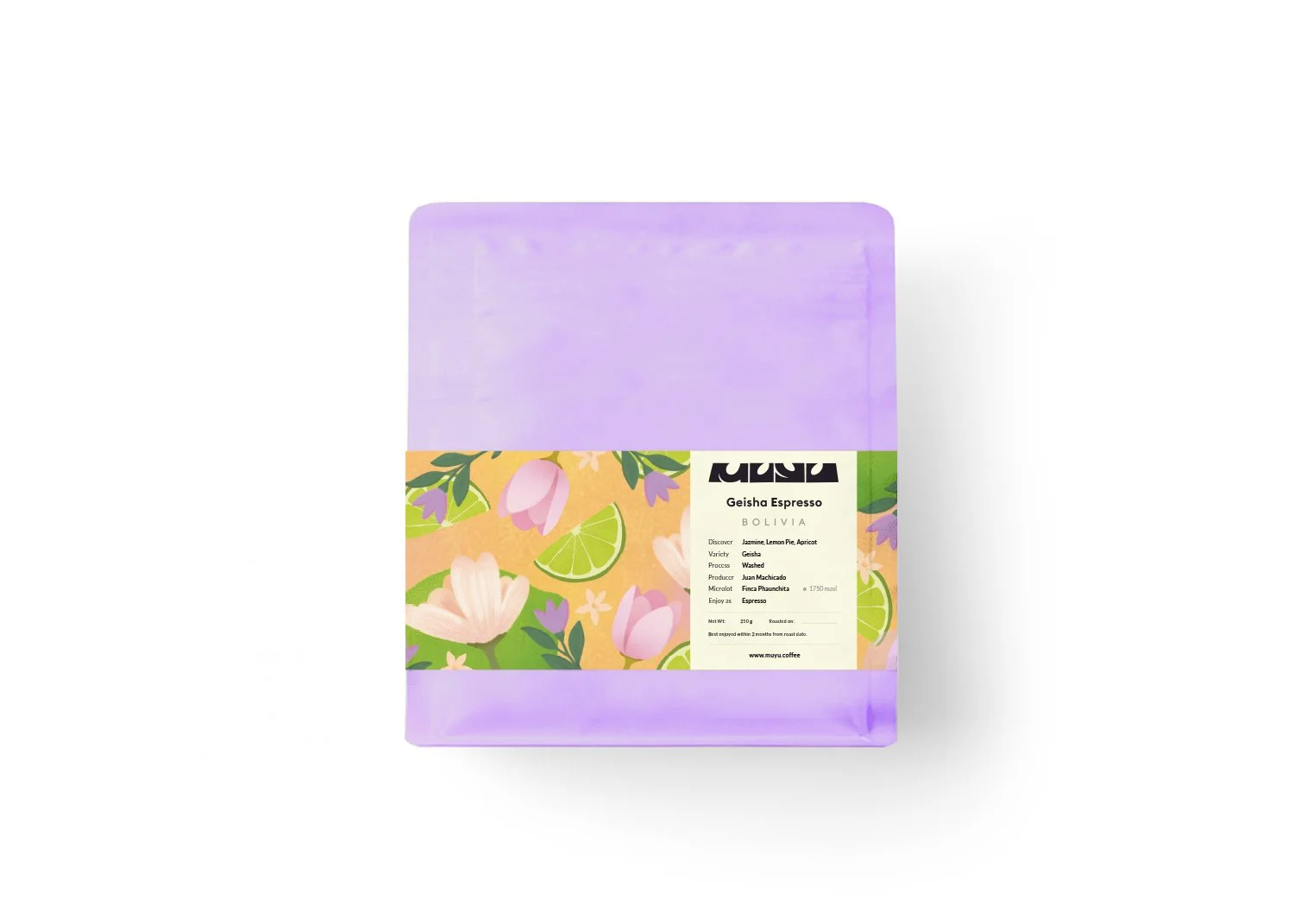
Variety: Geisha
Process: Washed
Producer: Juan Machicado
Microlot: Huella Del Jaguar
Elevation: 1750 masl
Location: Kantutani, Caranavi Province, BoliviaNet weight: 250 grams whole beans
Roasted for: Espresso -
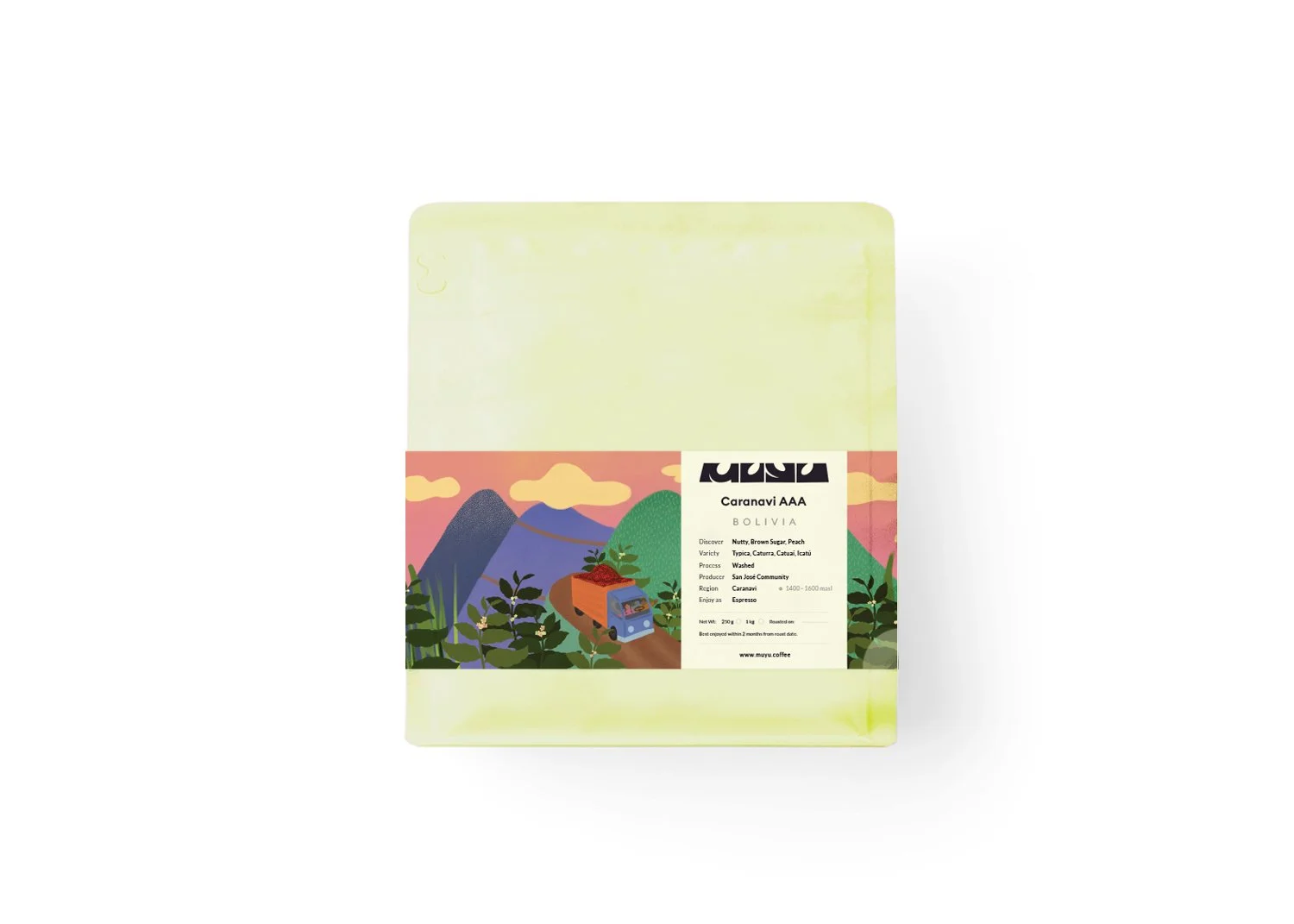
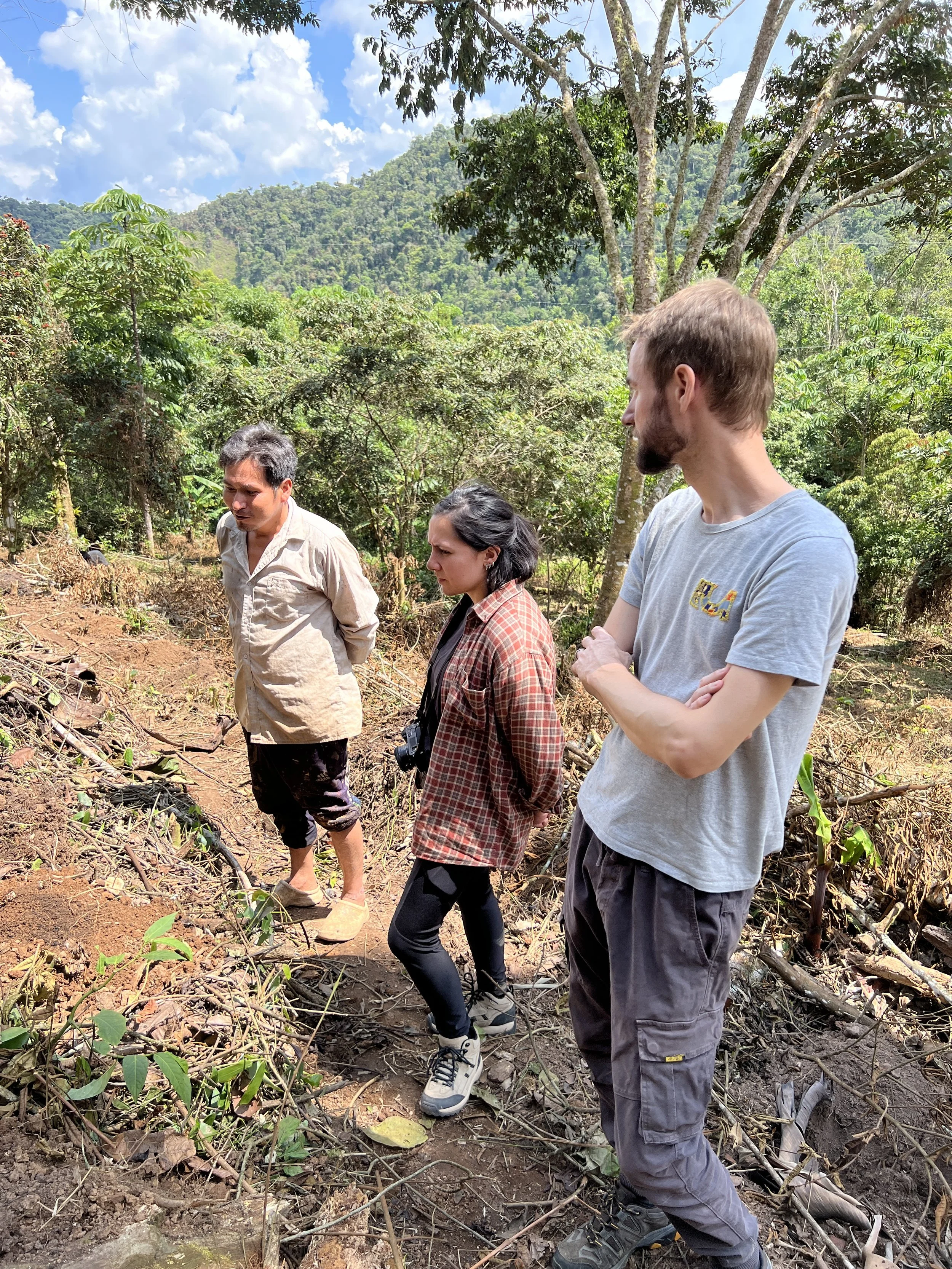
Juan Machicado is a new producer in our lineup and a new face to us as well. He works closely with Nelson from Invalsa — the producer behind our Caranavi AAA espresso, a coffee many of you already know and love, and a staple at our sister coffee shop in Bolivia since 2018.
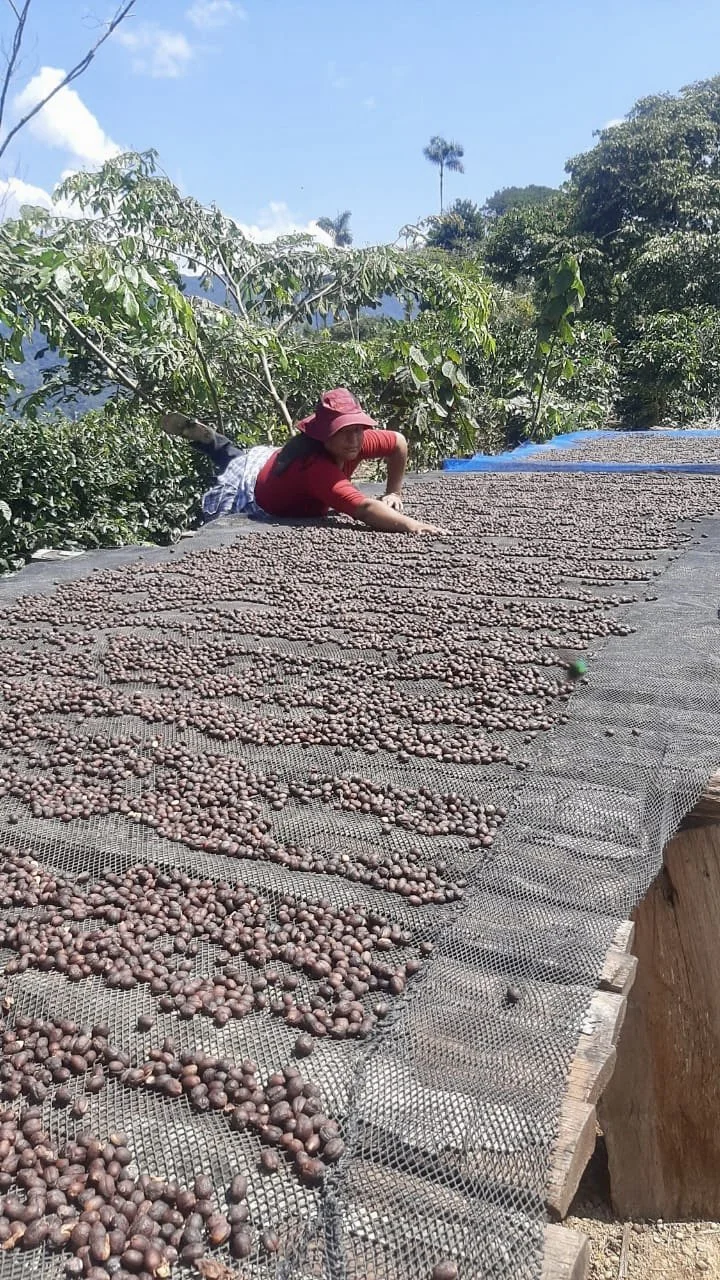
With this Geisha, we’re excited to begin this new relationship and explore a different side of Caranavi together. The coffee was grown in the Kantutani community on the Huella del Jaguar microlot at 1750 meters above sea level. Processed as a classic washed coffee, it beautifully highlights the Geisha variety’s lively acidity, floral elegance, and layered sweetness.
-
Sourcing directly at origin from small farmers, we are fully aware of the hard work that goes into the quality product we buy and the challenges their families face to earn their fragile livelihood. In this regard, coffee producing communities in Bolivia face additional challenges, due to the lack of infrastructure, financial support and difficult access to international freight routes. To fairly balance the relationship between roaster and producer we are price takers and as part of our long term commitment to a financially and environmentally sustainable coffee production in Bolivia, we factor these realities into the pricing.
For this 100 Kg batch of specialty grade coffee, Nelson and Juan received 27,53 USD/Kg.